
From Conversation to Change: Youth Perspectives on the Hudson Valley
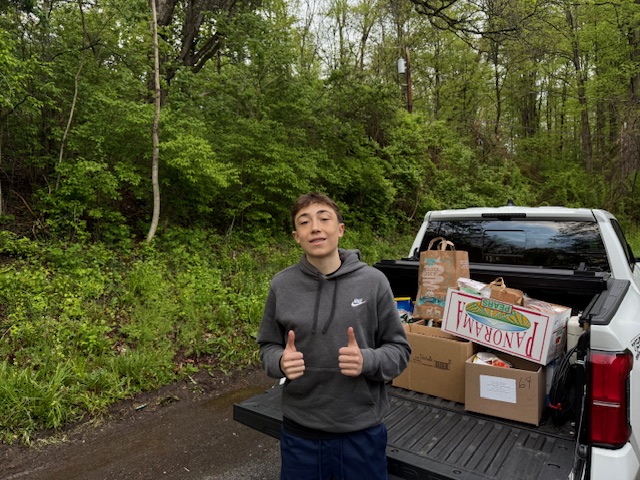
Jasper, a participant in Dutchess Chamber Foundation’s Youth Leadership Program
What happens when you bring a group of high school students together to discuss the future of the Hudson Valley—and then you truly listen?
You gain insight that can help shape how philanthropy responds to some of the area’s most urgent challenges—something we saw in action at an energizing forum hosted by the Dutchess Chamber Foundation’s Youth Leadership Program at Dutchess Community College in Poughkeepsie.
Building on the community-driven work behind CFHV’s Voices of the Hudson Valley report, students offered their ideas for addressing the region’s most urgent needs, including housing, food security, and mental health, three of the four key concerns identified in the report.
The event was grounded in the same principles of participatory democracy that guided CFHV’s listening sessions and surveys for the Voices report, a model in which community members shape decisions by sharing their lived experiences, priorities, and ideas.
CFHV President and CEO, Laura Washington, joined other philanthropic leaders to talk about the role of philanthropy in the Hudson Valley. Most importantly, these leaders listened to what the students themselves had to say. Laura said afterwards: “I was energized by the determination of students to make a real difference in their communities. And they clearly have the creativity and passion they need to do it!”
Students were divided into three discussion groups, each facilitated by one of the philanthropic leaders. They then reported back to the forum at the end. Several also participated in follow-up interviews, and their insights are shared below.
Housing at the Root of It All
Students quickly identified housing as a root issue—one that shapes stability across every aspect of life. They spoke about rising house prices in the Hudson Valley not being matched by rising incomes. They discussed the need for people’s wages – and the minimum wage – to be increased; for more shelters for the homeless; and for affordable housing for lower-income workers.
They also came up with innovative solutions. This included repurposing hotels and vacant apartments as permanent housing; and creating nonprofit models to help individuals transition out of homelessness, and improving financial literacy education in schools. Josephine captured the interconnection between housing, food, and mental health: “Housing affects all the other issues. Without housing, you cannot sustain other parts of your life.”
Others connected their ideas to personal aspirations. Alison shared her goal of becoming an architect and designing small, affordable homes for low-income people: “I would love to leave a mark on this world when I leave, not a big one, but to know that I did something to help others.”
Their ideas underscore a broader truth: young people are not only aware of systemic challenges—they are already thinking in terms of solutions that philanthropy, policy, and community partners can help advance.
Food Insecurity in a Food-Rich Region
Students grappled with a paradox: how can food insecurity persist in a region that produces so much food?
They pointed to rising costs, barriers to access, and the limitations of existing systems. Some students have seen food insecurity close up. Jasper, for example, volunteers for his church's food bank, where he sees all kinds of people in need. His commitment to this volunteer work was reinforced by taking part in the forum: "It made me think of my food pantry differently—of how I am really helping people."
Josephine and her classmates donated food from their school garden to a local food pantry, which was good, she said, "because most food pantries are focused on canned foods and non-perishables." She also addressed how important it is to tackle the stigma surrounding food pantries to make them accessible to people embarrassed to go to them.
Navya talked about both the challenge and the opportunity: "Restaurants and stores often have surplus food that goes unused. Maybe we can redirect that food so it doesn't go to waste."
For CFHV, these insights reinforce the importance of supporting both immediate food access and longer-term systems that reduce waste, expand distribution, and increase dignity for those seeking support.
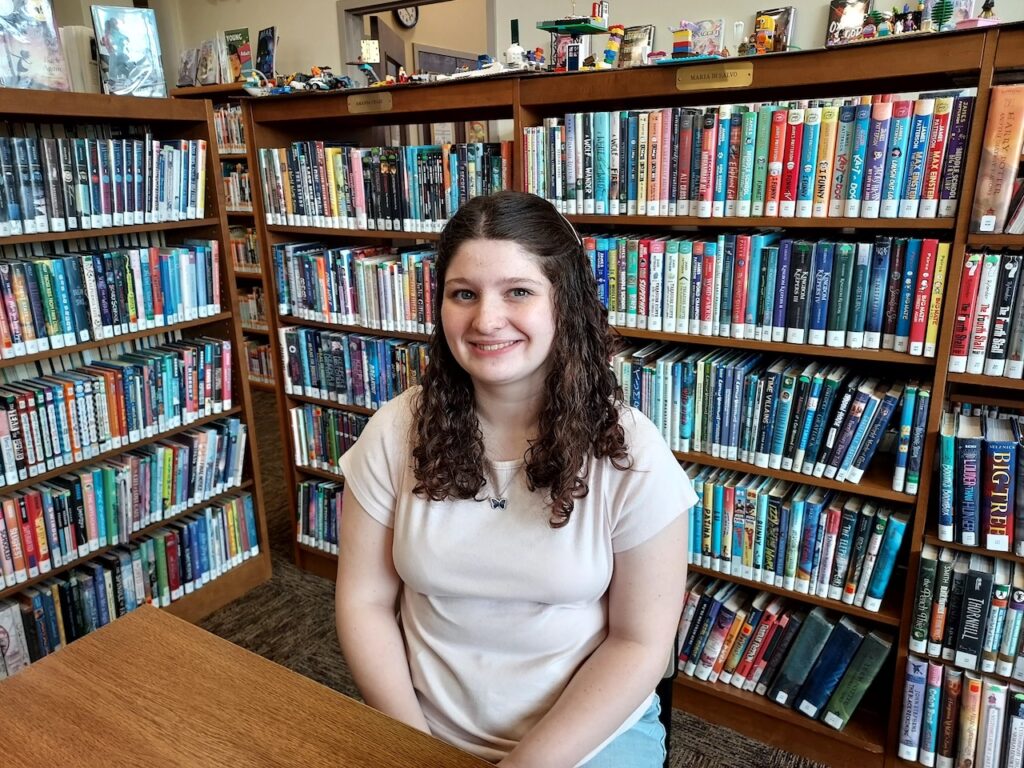
Josephine, a participant in Dutchess Chamber Foundation’s Youth Leadership Program
Mental Health Struck a Chord
Students had a lot to say about mental health. They shared the mental health struggles they have witnessed among their peers – including students not speaking in class, being bullied, even having to take significant time off school. They all agreed that the resources aren’t there to match the need.
Therapists are too expensive for most students, and their hours often coincide with school hours, making it difficult to connect. Group sessions with fellow students can lead to more bullying outside of the group sessions. And the stigma attached to mental health can prevent students from seeking help.
Students came up with practical solutions.
- Expanding access to free, school-based mental health services
- Creating group sessions across schools to reduce social pressure
- Offering after-school support so students don’t have to choose between class and care
- Providing better access to information through libraries and community spaces
Sophia emphasized how important it is for mental health services to be embedded in the community to foster trust. She suggested that schools offer talks, groups, and rallies to help raise awareness – and reduce the stigma – of mental health.
The discussion also prompted students to examine their own behavior. Alison and Josephine said the forum made them realize they needed to check on their friends more. Sophia agreed: “Being a better friend and offering kindness will help support mental health and offer comfort.”
Sometimes, programs not explicitly aimed at mental health make a difference, too.
Navya is part of a program called Hudson Youth Environmentalists, which teaches climate and biodiversity to younger kids. It’s the kind of program she’d have loved to attend when she was younger, and she can see already how it’s improving the mental health of participants: “Some kids were quiet at the beginning. But spending time away from what troubled them at home or school, they opened up and engaged in what was going on in the world around them.”
Their perspectives highlight something essential: addressing mental health is not only about services—it’s about culture, connection, and community.
Listen to Our Youth
One thing we learned from this forum is that young people in the Hudson Valley are full of ideas and eager to contribute—and ready to be part of the solution.
Jasper described the session as transformative: “It was eye-opening to have this discussion. I have a better understanding of how to help and what people’s problems are. It opened me up to a lot more opportunities and ideas.”
Juliette summarized succinctly what was said by many: “If you want to build community, give back to the people who need it most.”
With young people like this in our communities, it’s safe to say the Hudson Valley has a bright future.
For the Community Foundations of the Hudson Valley, the message is clear: when we listen to young people, we gain not only insight—but direction.
Their perspectives will continue to inform how we work with fundholders and partners to address housing, food security, mental health, and other emerging needs across the region. They also reinforce the importance of creating more opportunities for youth voices to shape the future of our communities.
If you are interested in supporting this work—or in helping bring more voices into these conversations—we invite you to connect with us.


