Thrive: Investing in Nonprofits for Stronger Communities
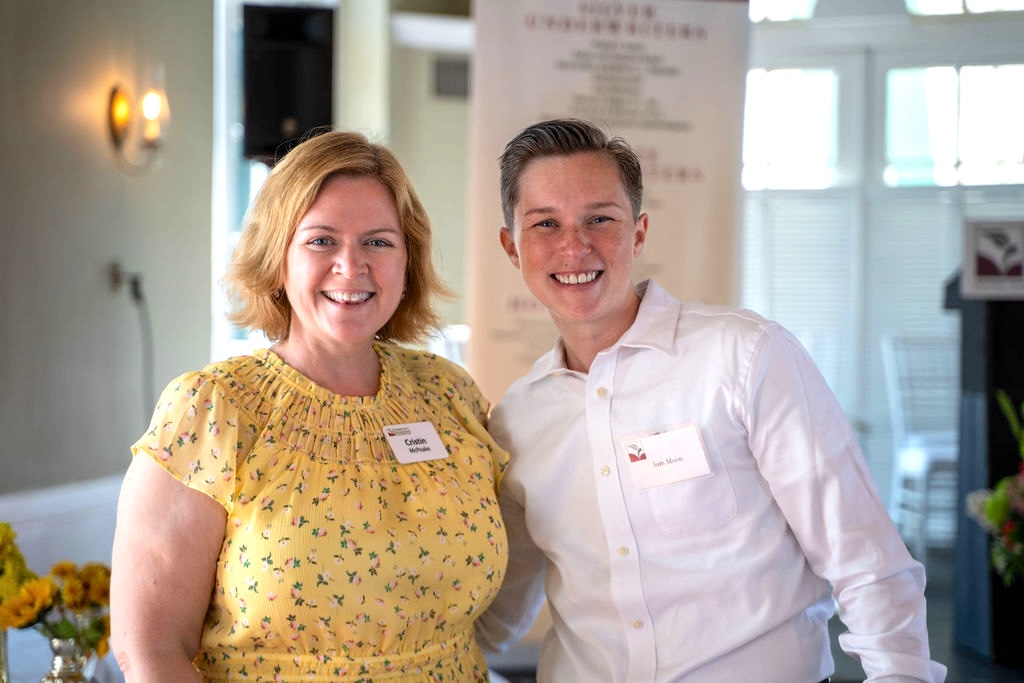
Cristin McPeake with Sam Moon of Catskill Animal Sanctuary, one of the 200-some nonprofits that have participated in Thrive: Nonprofit Capacity-Building
Strong nonprofits don’t just happen—they’re built through strong leadership, practical skills, meaningful partnerships, and continued investment. Through Thrive, Community Foundations of the Hudson Valley is complementing its grantmaking by bringing nonprofit leaders together to learn, collaborate, and strengthen their organizations for the long term.
In the Q&A below, Cristin McPeake, Senior Vice President of Programs and Strategic Partnerships, speaks about why this work matters now, what nonprofit leaders have shared through CFHV’s listening sessions and trainings, and how donors and community partners can help build a stronger nonprofit ecosystem for the Hudson Valley.
1. Why did CFHV launch Thrive?
Thrive grew out of what we were seeing and hearing from nonprofits across the region. Grant applications continue to increase year over year, and there is never enough funding to meet every need. So, we started asking: what can we do beyond the grant dollar?
At the same time, nonprofits were facing real uncertainty around funding, staffing, and rising community needs. Rather than starting with what was missing, we tried to ask: what are the assets of this community? Through conversations and listening sessions, it became clear that CFHV could play a broader role: bringing people together, listening to the sector, and helping nonprofits strengthen their organizations over time.
2. What did nonprofits tell you they needed—and what surprised you most?
One of the biggest takeaways was how important in-person connection still is. Webinars are important, especially across a three-county region, but people were driving more than an hour to join our early listening sessions. That told us the connection piece really mattered.
What also stood out was how generous nonprofits were with one another. They were sharing resources, space, knowledge, and trainings. We saw these little magic moments happen among organizations.
The nonprofits knew what they needed. They shared very tangible needs, and much of what they were asking for was about skills, relationships, and connectivity.
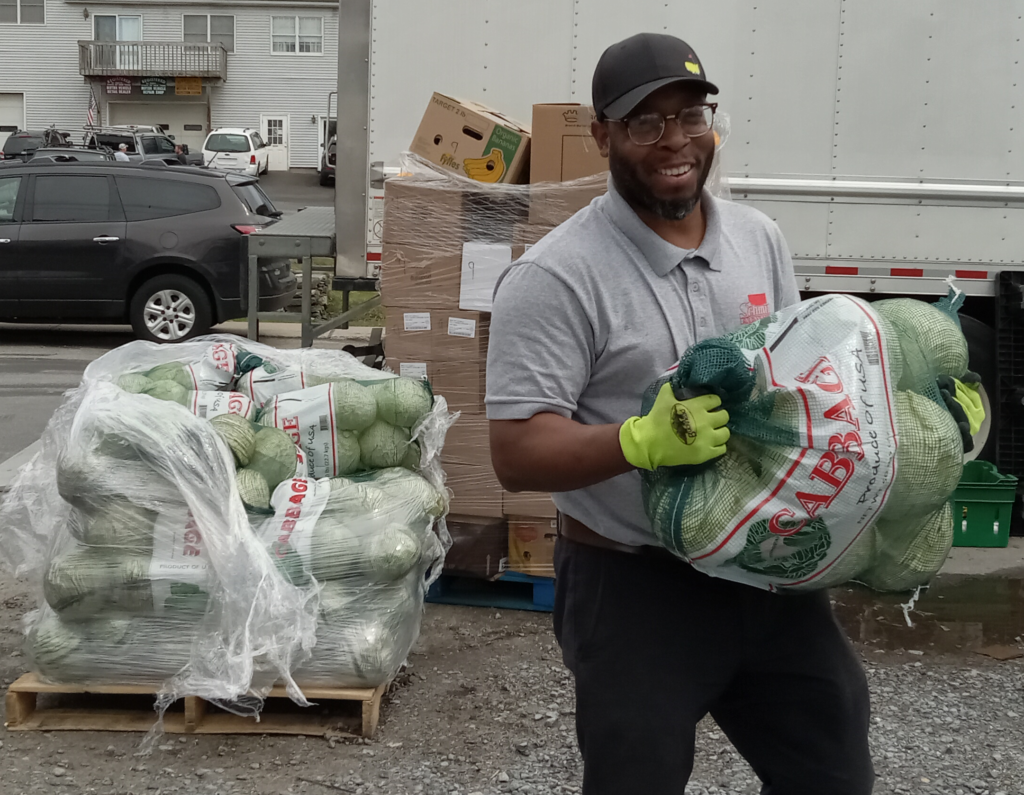
North East Community Center, another Thrive-participating organization
3. How is Thrive changing CFHV’s role as a community foundation?
Grantmaking will always be central to our work. But Thrive helps us move beyond a purely transactional process where an organization applies, we review, and then we either make an award or we do not.
This work is creating deeper partnerships with nonprofits. Through trainings, listening sessions, and convenings, we are learning more about the challenges organizations are facing, and that helps inform our grantmaking.
It also positions CFHV as more of a connector. We are not trying to swoop in and pretend we have all the answers. There is already tremendous knowledge in the nonprofit community. Part of our role is to lift that up, connect organizations to one another, and make those resources more visible.
4. Why should donors invest in nonprofit capacity-building?
Capacity-building is a powerful way to invest in the whole organization.
When you support this work, you are investing in people. You are helping nonprofit leaders, staff, and board members build knowledge, strengthen systems, connect with peers, and bring practical tools back to their organizations. That makes nonprofits stronger and better able to grow and adapt.
One organization, for example, came to a Thrive session after losing federal funding and needing to engage its board in fundraising in a new way. They left with a tangible toolkit they could bring back to their staff and board, and they began putting it to work right away. In some cases, the value of participating in a training or learning opportunity can be just as meaningful as a one-time grant. If a nonprofit strengthens its board fundraising, improves its financial systems, or builds a stronger communications strategy, that can help the organization attract new support and become more sustainable over time.
5. What’s next for Thrive?
We want to keep offering the core topics nonprofits have told us they need: grant writing, fundraising, communications, financial management, board governance, succession planning, and related areas. We also want to remain responsive when new needs emerge.
CFHV is well positioned to serve as a convener because we have a bird’s-eye view of organizations across the region. We are constantly hearing what needs are emerging, and that helps us respond quickly and thoughtfully. We are beginning to think about deeper dives and possible cohort-based opportunities around specific learning needs or issue areas, such as food security, immigrant-serving organizations, housing, or emerging grassroots nonprofits.
Building cohorts takes care and resources. Nonprofit leaders are busy, so we want to make sure any next step is meaningful, accessible, and shaped by what nonprofits actually need. We also want to keep collaborating with other funders and partners, so Thrive supports a broader effort to strengthen the nonprofit ecosystem across the Hudson Valley.
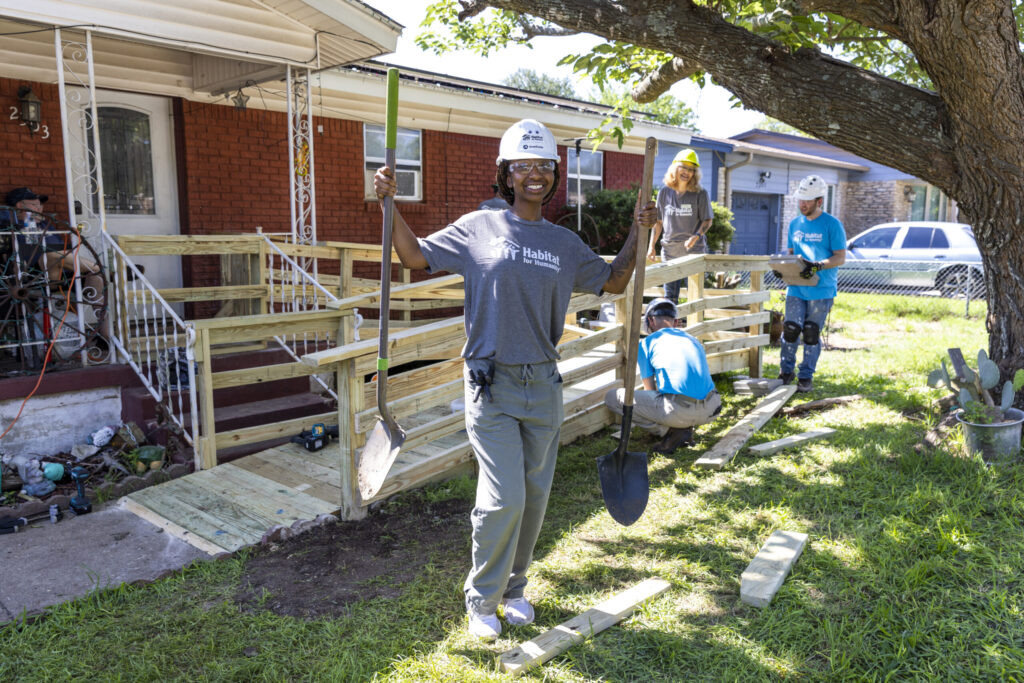
Support Fund for the Hudson Valley
Your gift supports a nonprofit ecosystem addressing health and mental health, housing, food security, education and childcare, arts access, and more. Vetted by our professional grantmakers and county advisory committees, this fund does more than support individual nonprofits — it invests in a stronger region built on collaboration and lasting impact across our communities.
Explore a bigger impact: Email development@communityfoundations.org to open your own personalized fund.


